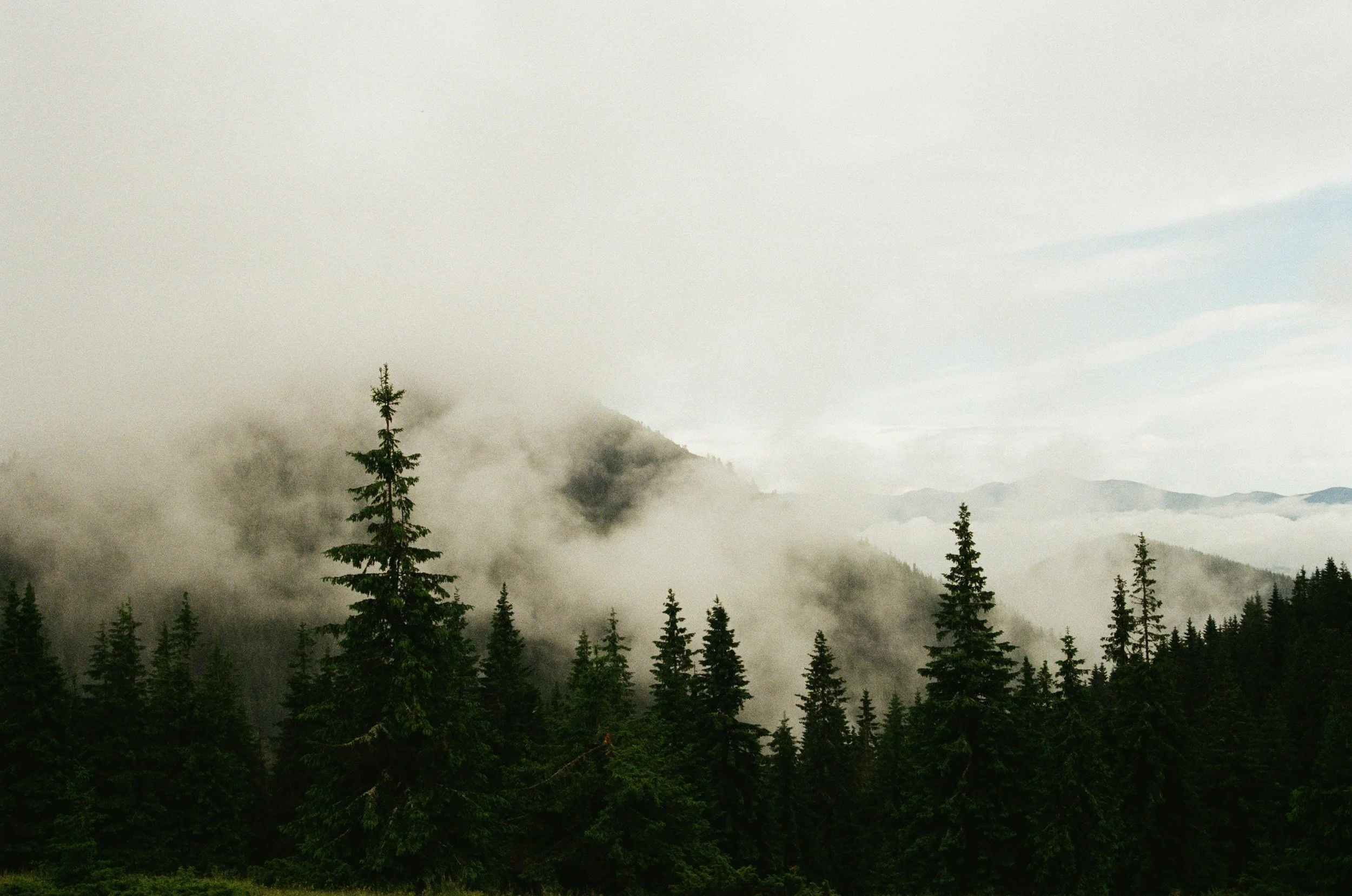
Into the Wilderness
Sleeping In The Forest
I thought the earth remembered me,
she took me back so tenderly,
arranging her dark skirts, her pockets
full of lichens and seeds.
I slept as never before, a stone on the river bed,
nothing between me and the white fire of the stars
but my thoughts, and they floated light as moths
among the branches of the perfect trees.
All night I heard the small kingdoms
breathing around me, the insects,
and the birds who do their work in the darkness.
All night I rose and fell, as if in water,
grappling with a luminous doom. By morning
I had vanished at least a dozen times
into something better.
by Mary Oliver
I mainly work with wild things. That is to say, I mainly do my therapy out-of-doors with self-harming humans very out-of-sorts. The raw, inescapable sensation that anything could change at any moment demands my client’s full attention as well as mine. This kind of therapy, known as Wilderness Therapy, is best described through the gestalt axiom, “notice what you notice” . Noticing the interconnectedness between inside and outside, animal and plant, client and environment is the here-and-now start of every gestalt working cycle. This is wonderfully articulated and is best exemplified in the above poem by Mary Oliver. In the wilderness the present moment is your only moment. Everything in Wilderness therapy is deeply transpersonal and firmly rooted in Gestalt theory, which is why I love it so much.
When we are completely immersed in the natural world, everything is moving and changing constantly. This reflects an overwhelming sense of aliveness in both the client’s internal world of shifting emotions and instinctual nervous system responses as well as the external environment’s shifting weather patterns , myriad plant micro-movements and ever-changing animal activities. Nothing is static or motionless in nature. Be it at a barn or in the middle of a forest, the air is electric with life. When everything is alive and full of energy around us, our bodies and mind tend to get very focused on the most salient activity or gestalt. This is the basis of gestalt in a wilderness milieu- noticing what you notice as important. The human brain seems to question, “If everything is in constant movement, what do I pay attention to first? What part of all this information is the most valuable for my safety? What do I need to do within myself to feel a sense of ease in my gut and a sense of belonging in the place where I now stand?” These first moments, watching a client adjust to being outdoors, taking in their surroundings and how they are feeling within, is the one of the most revealing moments for me as a therapist.
Observing a client’s initial reaction to a natural setting helps me contextualize how they relate- or don’t- to their daily relationships back home. Do they feel at ease in their body or are they tense? This can help me gauge their level of trust vs mistrust within themselves- a gestalt signal of unfinished business in early developmental attachment trauma. Do they interact with the environment in any noticeable way -such as smelling a flower or greeting a horse? This sheds light on how they likely approach human relationships outside of session. For instance, clients that use animated voices to talk to a horse or tree often employ projection in what they are saying and how they hope the relationship to go. A simple phrase like, “Hello there beautiful! Who’s a pretty pony?” can signal a curiosity in me about their own sense of significance and self-worth. I begin to wonder if they receive unsolicited attention and praise at home or feel ignored and unimportant in relationship.
In addition to Projection, wilderness therapy offers ample opportunity to uproot Retroflection in a client experience. Most my clients are self-harming young folks ages thirteen to twenty-five. In these populations, strong impulses arise in the form of unpleasant emotions such as shame, doubt, and anger. Often, these impulses result in cutting, substance abuse, overly promiscuous behavior or persistent critical self-talk that leads to suicidality. These reactions to an overwhelming feeling require that no one else be in relationship with the person as they suffer. The retroflection keeps them isolated from others around them, further compounding a sense of aloneness or abandonment.
In the wilderness, however, something magical happens. When a client has a strong emotional impulse internally, the external environment mimics it visually. For example, to my therapeutic eye the client may be standing still in quiet thought, but then I will notice a bird land on a branch above and ask “What just happened for you, what shifted?”. Often the client will have dropped to a younger developmental place and have no words to express what is happening emotionally. By moving physically through the natural space, the client can outwardly express the quality and intensity of energy within. I may have a client throw rocks into a riverbed or smash sticks apart against a tree. They may write a secret in the sand or burn unforgiveness in a fire. Watching for these “nature signals” helps me discern when to experiment and how to help a client deepen into the somatic felt experience.
Conversely, some clients have a very difficult time feeling anything individuated from the external experience. This contact-boundary disturbance, better known as Confluence, presents in wilderness therapy as overly identifying with the surrounding flora and fauna. In one case, I had a client feel rejected and ignored by a horse that showed more attention to me during the session. This client demonstrated a deep need for the horse to approve of him and pay him attention. He needed to feel validated by the horse liking him at all costs and even went to the tack room to grab handfuls of extra treats to feed the horse. Behaviors like these, from a gestalt perspective, allow me to notice a weakened ego strength and allow experiments that help my client individuate from the horse. I may have him vocalize his direct needs to the animal without giving treats saying, “ I feel ignored and want to be liked by you.” Or I may have him walk away and ignore the horse, taking a lap around the grounds to come back into his own body and experience.”
Whether we like to admit it or not, we humans are wild things too. Our attunement with our ecosystem shows how well we are attuned to our own limbic system- how well we relate to the I-thou relationships around us. How well we trust our own intuition and emotional intelligence shows in how comfortable we are with the ever-changing nature of the wilderness around and within us. Just like Mary Oliver alludes, when we spend time in the wilderness a strange remembering occurs. A remembering that can be greatly facilitated by gestalt therapy resulting in a deep sense of Congruence and trust with our attachment to the natural world and our place in it.